
Dealing with the aftermath of a fire is one of the most stressful experiences a homeowner can face. Beyond the visible damage lies the complex process of claiming through your insurer. While most home insurance policies in the UK offer protection against fire damage, securing a fair settlement depends on knowing your rights, understanding your cover and avoiding common mistakes.
Preliminary figures suggest Surrey saw roughly 450 home (dwelling) fires in 2024. That estimate comes from Surrey Fire & Rescue’s published rate of about 0.9 primary dwelling fires per 1,000 dwellings, applied to the county’s housing stock. The exact audited total hasn’t been released yet, but this order-of-magnitude shows household fire risk remains significant—and underscores the value of basic protections like working smoke alarms, safe cooking practices, and clear escape plans.
Understanding Fire Insurance Cover in the UK
Most UK home insurance policies include fire damage as a core feature. This typically covers damage to the building itself, contents lost in the fire and the cost of alternative accommodation if your home becomes temporarily uninhabitable. However, not all fire-related scenarios are treated equally. Some policies exclude smoke damage or require specific clauses for electrical fires, so it is crucial to read the small print.
Pay close attention to exclusions, limits and the amount of excess you will need to pay. Your policy may also have different cover levels for contents and structure. Understanding these details before a fire occurs ensures you are not caught off guard during the claims process. Many disputes stem from misunderstandings around what is and is not included. Contact your insurer to clarify any areas of uncertainty and keep a copy of your policy documents somewhere easily accessible.
What to Do Immediately After a Fire
As soon as the emergency services have made the property safe and confirmed it is safe to re-enter, contact your insurer to begin the claims process. Prompt action helps avoid delays and gives your claim a stronger foundation. Your insurer will log the date and details of the incident and guide you through their initial requirements.
Document the damage before moving or cleaning anything. Take high-quality photos and videos from multiple angles. This includes visible burn marks, smoke damage, damaged personal belongings and any water damage caused by firefighters. Keep all receipts for any emergency expenses, including hotel stays, clothing, food or urgent repairs.
Prioritise Safety and Documentation
Do not attempt to enter structurally damaged areas until a professional confirms it is safe. Even if the structure appears intact, residual smoke and soot can contain hazardous chemicals.
Thorough documentation at this stage can significantly strengthen your claim. Record all visible damage, including discolouration, structural warping and soot residue. Take close-up images of damaged contents and note down serial numbers or brand details if available. The more evidence you collect, the harder it becomes for the insurer to dispute losses.
Inform Your Insurer Promptly
Most insurers require you to report a fire claim within a specific timeframe, often 24 to 48 hours. Delaying your notification can risk a reduced payout or rejection of your claim. Ensure you are familiar with your policy’s requirements and ask your insurer to confirm receipt of your notification in writing. Early communication also helps get an adjuster assigned sooner, accelerating the inspection and settlement process.
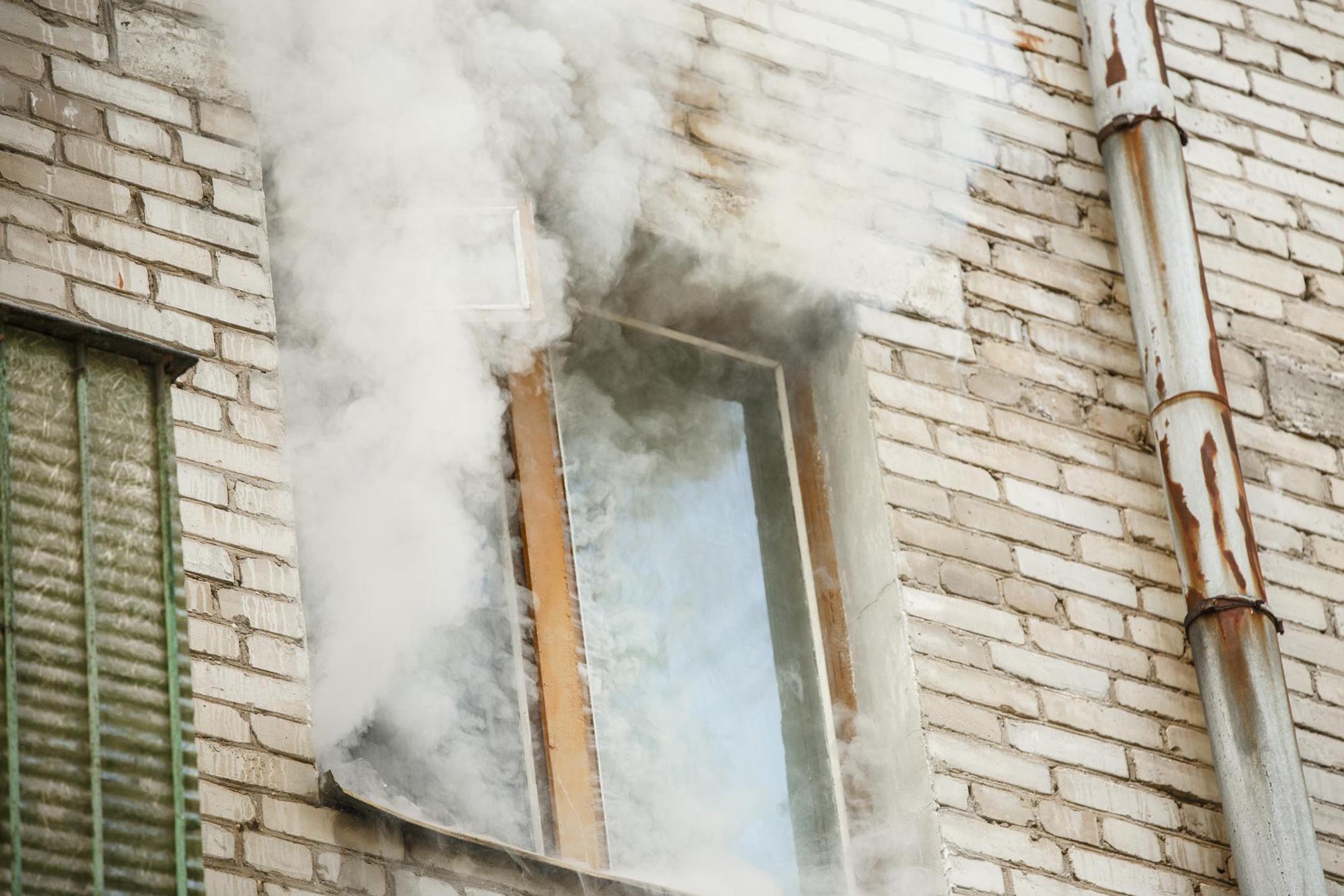
The Role of a Loss Adjuster and How to Protect Yourself
Once you file your claim, your insurer will likely appoint a loss adjuster to visit your property. Their job is to assess the extent of the damage and determine how much the insurer should pay out. While they appear independent, remember they are employed by the insurer and work to protect their interests.
Loss adjusters inspect the scene, ask questions about the fire and estimate repair or replacement costs. They may question whether damage was pre-existing or suggest lower-cost alternatives to repairs. Ultimately, their role is to verify claims and control costs on behalf of the insurance company.
Hiring an Independent Loss Assessor
If you feel your claim is being undervalued or dismissed unfairly, consider hiring an independent loss assessor. Unlike loss adjusters, loss assessors work on your behalf and represent your interests throughout the claims process.
They handle all communication with your insurer, gather supporting evidence and push for a full and fair settlement. Although their services are typically charged as a percentage of your final settlement, they often secure significantly higher payouts than claimants achieve alone. For complex or high-value claims, particularly those involving structural and fire restoration, their input can be invaluable.
Common Claim Mistakes UK Homeowners Make
One of the most common mistakes is disposing of damaged items too early. Even if items appear beyond repair, keep them until your insurer or loss adjuster has documented their condition. Another frequent issue is failing to photograph every affected room or underestimating the cost of damage. You should not rely on memory or assume your insurer will automatically account for everything.
Many homeowners also accept the first settlement offer without question, not realising it may fall short of their policy entitlements. Verbal reassurances from insurers carry no legal weight unless backed up in writing. Always ask for confirmation of key decisions or policy interpretations by email or letter. This prevents disputes and builds a solid case if escalation is required later.
Maximising the Value of Your Claim
A successful home insurance claim is supported by clear records and proactive communication. Start by compiling a full list of damaged possessions, along with estimated replacement values. If you have receipts, photos or original warranties, include these as evidence. When it comes to structural damage, obtain several quotes from reputable contractors to establish a realistic cost of repair.
If your policy includes “alternative accommodation cover,” ask your insurer to activate it. Many homeowners forget they are entitled to funding for temporary housing while repairs are underway. This may include hotels, short-term rentals or even furniture hire. Make sure your insurer confirms the duration and budget available.
Keep a Record of All Communication
Document every interaction with your insurer from the outset. Keep a written log of phone conversations, including the names of people you speak to, the date and what was discussed. Save all emails and letters, and back up your files securely. A clear and organised paper trail is helpful if questions arise later or if you need to make a formal complaint.
Disputes and the Financial Ombudsman
If you believe your insurer is not handling your claim fairly, you have the right to escalate the matter. Start by following your insurer’s complaints procedure. If the issue remains unresolved, you can bring your case to the Financial Ombudsman Service. The FOS is a free and impartial body that investigates complaints against insurers and has the authority to order them to pay fair compensation.
You must usually raise your complaint within six months of your insurer’s final response. Keep all written communications as part of your evidence, especially if you have challenged repair valuations, delays or rejected claims. The FOS considers all sides before making a decision and aims to resolve most cases within a few months.
Restoring Your Home and Peace of Mind
Once your claim is approved, the focus shifts to restoration. Choosing experienced professionals for fire restoration is essential. Restoration may involve soot and smoke removal, deodorising affected rooms, structural drying and replacing damaged materials. Skimping on this stage risks long-term consequences such as hidden mould growth, lingering smoke odours, weakened structures, or recurring damp and discolouration over time.
Always use insured and qualified contractors familiar with fire-damaged buildings. Restoration work should respectful of the building’s original condition and fully compliant with safety regulations. Reputable companies will also provide documentation of work completed, which may help future property valuations or resale.
At Polar Dry Ice Cleaning Limited, we provide expert fire restoration services that return properties to a clean and safe condition. Our approach combines advanced dry ice blasting with in-depth knowledge of smoke, soot and water damage remediation. We focus on restoring rather than replacing wherever possible, helping to preserve original materials and reduce repair costs. Homeowners and insurers across the UK trust us for our meticulous attention to detail and ability to deliver fast, high-quality results with minimal disruption.

Rebuilding with Confidence
A properly handled fire insurance UK claim brings back security and peace of mind after a traumatic event. With the right approach, homeowners can ensure they receive everything they are entitled to.
By documenting thoroughly, seeking independent advice when needed and understanding the fine print of your policy, you are in a stronger position to recover fully.
If you need support with post-fire restoration, contact Polar Dry Ice Cleaning Limited to speak with specialists experienced in restoring fire-damaged properties across the UK.