Heritage Cleaning Services
Heritage buildings require cleaning methods that preserve original fabric while removing contamination that compromises appearance and condition. Stone, brick, timber and metal surfaces in historic settings often carry soot, atmospheric pollution, aged coatings and biological residue that must be addressed without introducing damage.
Polar Dry Ice Cleaning delivers heritage cleaning services using controlled dry ice blasting supported by detailed site surveys, test areas and formal risk assessment documentation. The method is dry, low-impact and carefully managed to protect detailing, surface character and structural integrity.
Cleaning Historic Surfaces Without Compromising Fabric
Historic buildings behave differently to modern structures. Masonry can be porous and salt-laden. Timber may be aged, carved or structurally sensitive. Surface finishes often reflect multiple periods of intervention.
Aggressive cleaning risks loss of surface tooling, erosion of mortar joints or unnecessary removal of patina. Excessive moisture can mobilise salts and create further deterioration.
Dry ice blasting provides a controlled alternative where surface contaminants can be released without saturating the substrate or introducing secondary abrasive media.
How Dry Ice Blasting Works in Heritage Settings
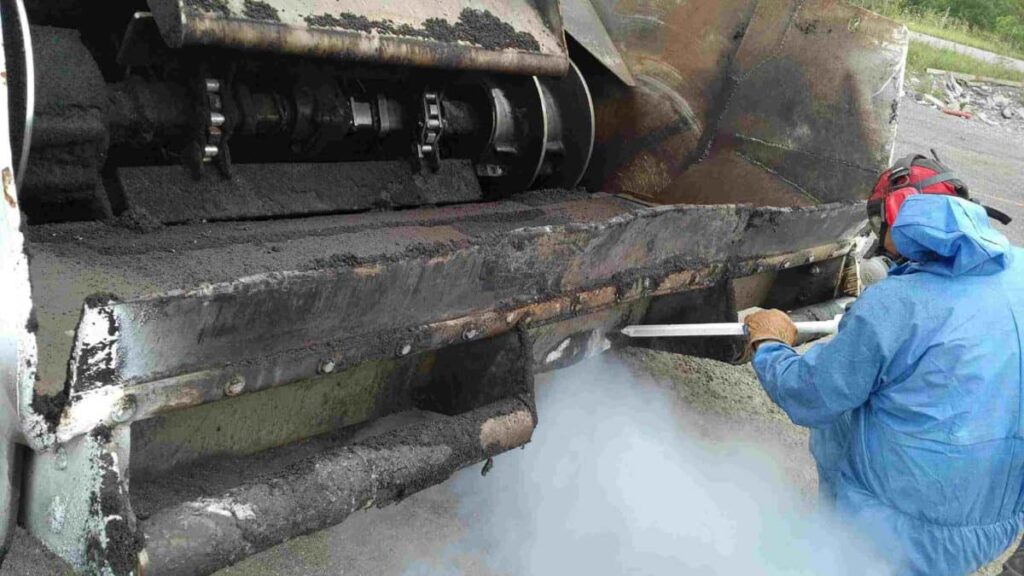
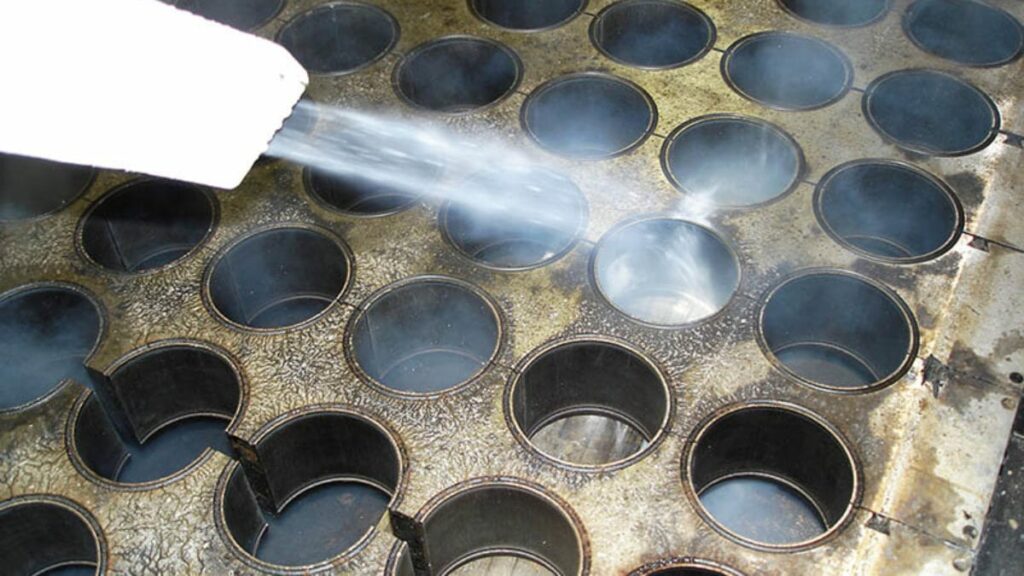
Dry ice blasting for historic buildings uses compressed air to propel solid carbon dioxide pellets at the surface. On impact, the pellets convert instantly from solid to gas. This rapid sublimation lifts surface contamination and weakens the bond between unwanted material and the substrate.
The process does not rely on water and leaves no secondary grit or residue behind. Only the removed contamination remains for collection.
In heritage environments this is particularly valuable. There is no added moisture to migrate into masonry. There is no embedded abrasive to remove from joints or crevices. Surface definition can be retained when correctly specified and tested.
Every heritage project begins with a site survey and controlled test patches. Air pressure, pellet size and stand-off distance are adjusted to suit the specific material and condition of the surface.
Suitable Applications
Dry ice blasting is effective where contamination is bonded to the surface but the underlying material must remain intact.
Typical heritage applications include:
- Soot and smoke staining following fire damage
- Atmospheric pollution and carbon build-up
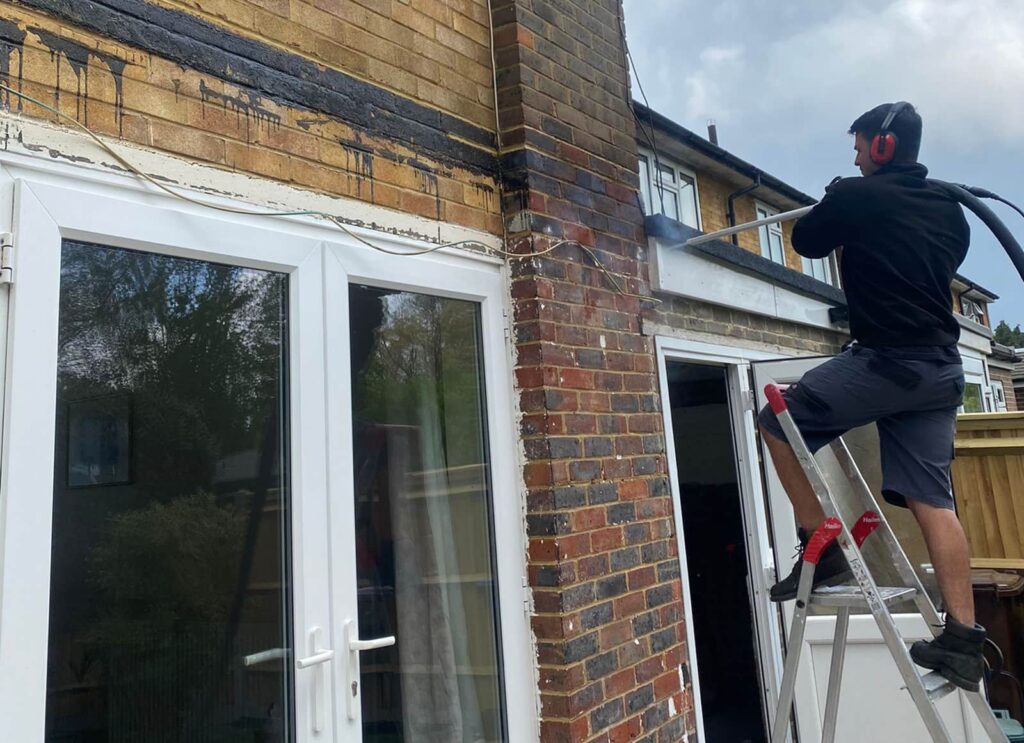
- Grease and tar deposits
- Light paint layers and aged varnish where controlled reduction is required
- General grime accumulation on façades and interiors
Carved timber, decorative stonework, mouldings and intricate detailing benefit from a method that can access recesses without mechanical scouring.
Each surface is assessed individually. The objective is always preservation first, cleaning second.
For a broader look at how condition-led cleaning can support long-term building care, read our article on maintaining structural integrity in heritage buildings.
Working Within Conservation Frameworks
Heritage cleaning projects often involve listed status, conservation oversight or stakeholder review. Documentation and method clarity are therefore essential.
Polar Dry Ice Cleaning provides:
- Site surveys with condition assessment
- Trial areas to confirm suitability
- Method statements and RAMS
- Defined exclusion zones and protection measures
- Phased cleaning programmes where required
Work proceeds only once the agreed method has been validated on a small representative area. This reduces risk and provides transparency for clients, consultants and conservation officers.
Protection of Surrounding Fabric
Historic environments frequently contain adjacent materials that must not be disturbed. Decorative plaster, stained glass, timber panelling and mechanical services may all sit within close proximity.
Dry ice blasting is a dry process which reduces the risk of moisture transfer. Containment, sheeting and localised protection are installed where necessary to isolate the work zone.
Careful planning ensures that cleaning operations do not interfere with building users, collections or adjacent restoration activities.
Benefits of Dry Ice Blasting for Heritage Projects
Dry process
No introduction of water into porous masonry or timber.
Controlled and adjustable
Pressure and pellet size can be calibrated to surface sensitivity.
No secondary abrasive
There is no sand or grit left embedded within joints.
Reduced dust generation
Lower airborne contamination compared to many traditional abrasive systems.
Efficient mobilisation
Rapid set-up and clean-down supports phased conservation programmes.
The method supports preservation objectives while delivering measurable removal of surface contamination.
Fire and Smoke Damage in Historic Buildings
After fire events, soot and smoke residues can penetrate deep into masonry and timber grain. Traditional washing methods risk spreading contamination or mobilising acidic deposits.
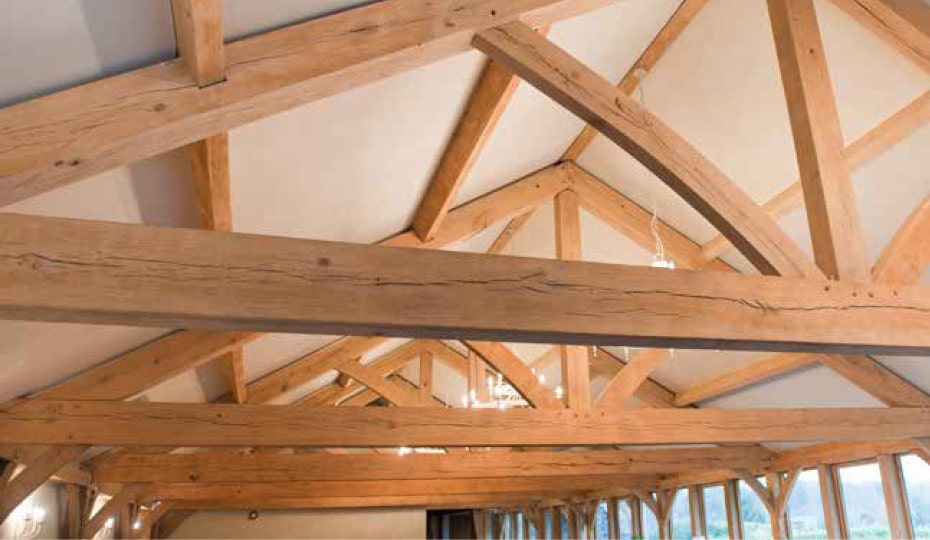
Dry ice blasting allows targeted removal of soot layers without driving moisture into the structure. Plant rooms, roof voids, beam structures and internal stone surfaces can be addressed in a controlled manner.
Cleaning following fire damage is always preceded by assessment to confirm substrate stability and contamination depth.
Interiors and Sensitive Environments
Churches, museums, listed residential properties and institutional buildings often require cleaning to be undertaken in occupied or sensitive spaces.
The absence of water and minimal secondary waste supports controlled internal working conditions. Equipment selection and sequencing are adapted to suit restricted access areas, vaulted ceilings or confined plant rooms.
Communication with site managers and stakeholders forms part of project planning to ensure safe and coordinated delivery.
What We Clean
Heritage cleaning services are delivered across a range of historic structures including:
- Churches and ecclesiastical buildings
- Museums and heritage visitor sites
- Listed residential properties
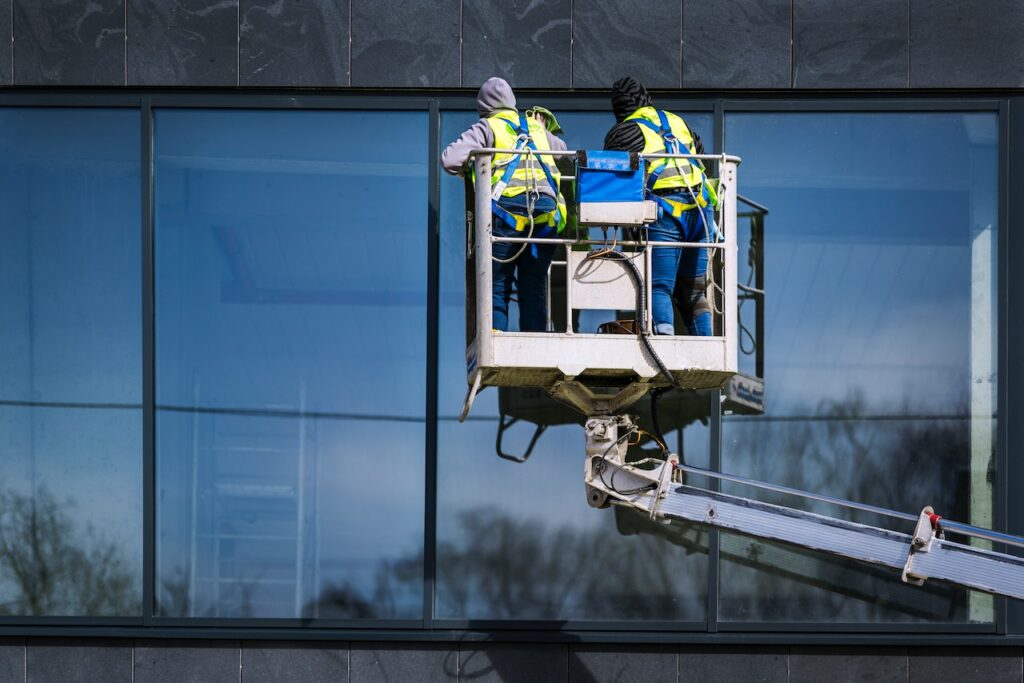
- Stone and brick façades
- Timber beams, joinery and decorative panelling
- Metal fixtures, services and structural elements
- Interiors affected by smoke contamination
Every surface is reviewed in context. Material type, age, previous interventions and environmental exposure are considered before finalising the cleaning approach.