Cleaning historic buildings is a precision task where care matters as much as results. The aim is never to erase age or character but to protect original materials while removing harmful contamination. Dry ice blasting has become a trusted solution for sensitive environments because it delivers effective cleaning without abrasion, water or chemicals. For projects involving dry ice blasting historic buildings, this method allows surfaces to be cleaned safely while preserving their authenticity and structural integrity.
Why Historic Buildings Need Specialist Cleaning
Historic buildings are constructed using materials that behave very differently to modern equivalents. Brick, stone, timber and decorative finishes are often softer, more porous and affected by decades or even centuries of exposure. Aggressive cleaning methods can strip surface detail, weaken mortar and accelerate long term decay, causing irreversible damage rather than improvement.
Many heritage properties are also protected by conservation regulations. Listed building cleaning and heritage building cleaning must meet strict standards that prioritise preservation over appearance. Any cleaning method used must avoid permanent alteration and be fully reversible where possible, making specialist techniques essential rather than optional.
What Is Dry Ice Blasting
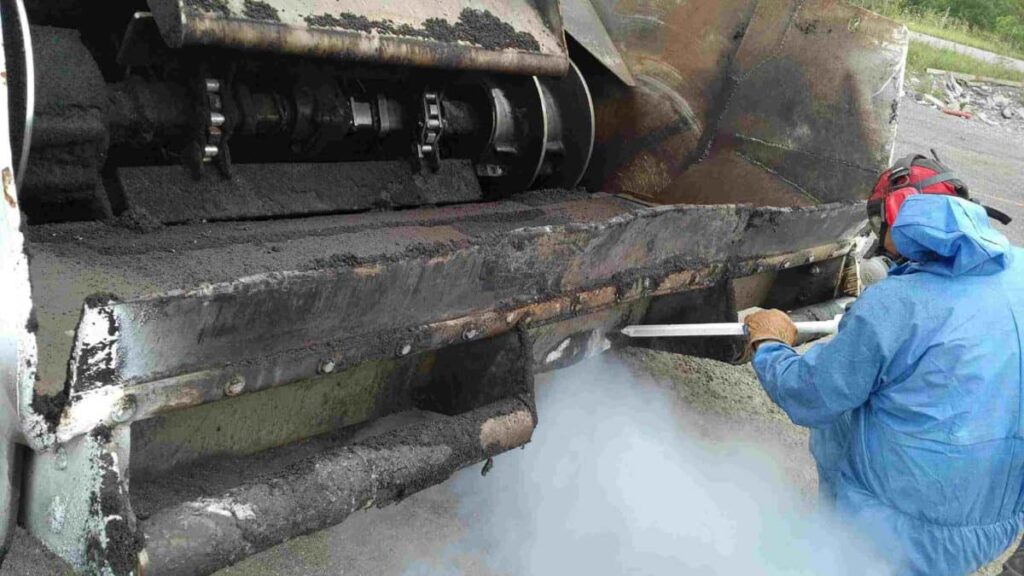
Dry ice blasting is a cleaning method that uses solid carbon dioxide pellets propelled at high speed. When the pellets strike the surface, they lift dirt, soot and contaminants before instantly changing from solid to gas. This process leaves no residue behind and avoids grinding or cutting into the material being cleaned.
Unlike grit or sand based systems, dry ice pellets are comparatively soft. The cleaning effect comes from thermal shock and rapid expansion rather than abrasion. This makes the process ideal for non abrasive cleaning restoration projects where surface preservation is critical.
Benefits for Historic and Heritage Buildings
Dry ice blasting offers a combination of control and effectiveness that suits the demands of heritage work. Its dry and gentle nature makes it especially suitable for buildings where traditional cleaning would pose unacceptable risks.
No Damage to Original Surfaces
Dry ice blasting preserves surface texture and detail. Stone edges remain sharp, mortar joints stay intact and timber grain is not stripped or raised. This makes it ideal for masonry and other historic finishes that must retain their original appearance.
No Water or Moisture
Traditional wet cleaning methods introduce moisture deep into walls and structural elements. This can damage lime mortar, encourage rot in timber and lead to internal damp problems. Dry ice blasting leaves surfaces completely dry, reducing the risk of secondary damage.
No Chemicals
Historic materials often react poorly to cleaning chemicals, which can stain surfaces or cause long term deterioration. Dry ice blasting for historic buildings uses solid carbon dioxide pellets propelled by compressed air. This makes it a reliable option for heritage building cleaning where material compatibility is a concern.
Minimal Disruption
The process produces very little waste. Contaminants fall away cleanly and can be collected easily, making dry ice blasting suitable for occupied buildings or sensitive interiors. Noise and mess are kept to a minimum compared to traditional abrasive methods.
Common Uses in Historic Building Restoration
Dry ice blasting is used across a wide range of conservation and restoration projects where precision and surface protection are required.
-
Stone and Brick Cleaning
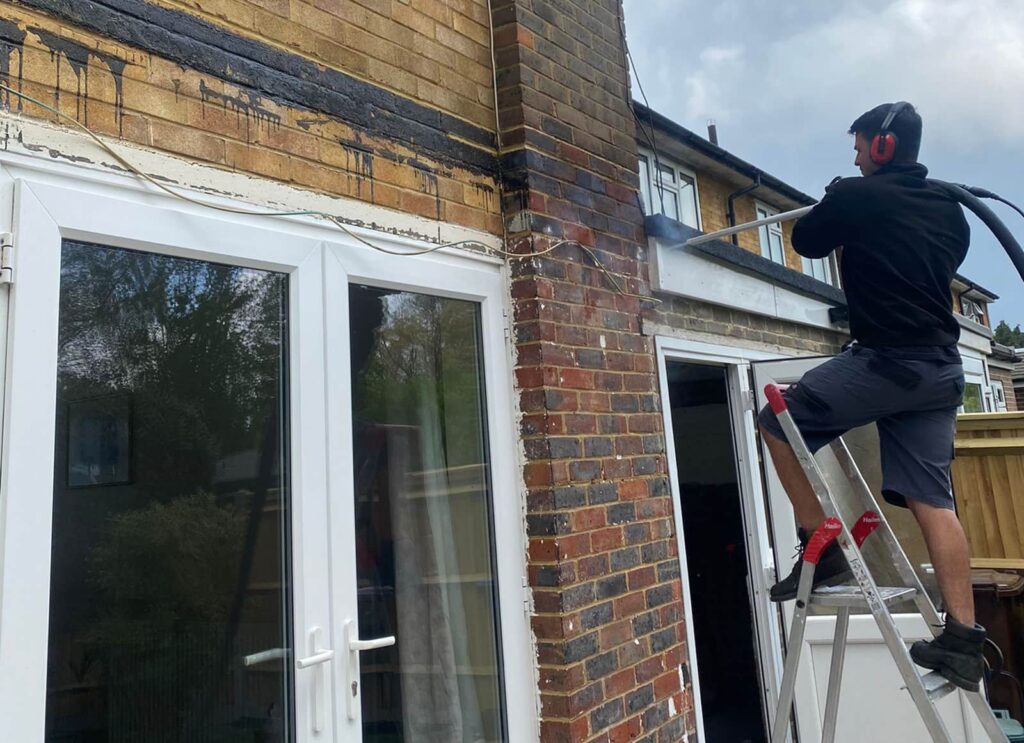
Soot, pollution staining, algae and surface grime can be removed without rounding edges or weakening mortar. This allows façades and internal masonry to be cleaned while maintaining their historic character.
-
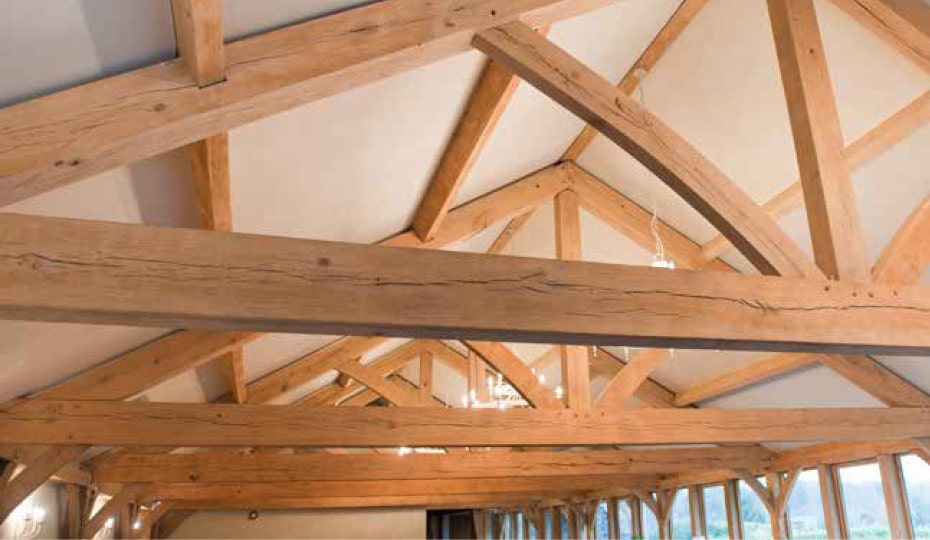
Timber Beams and Frames
Exposed beams and timber frames often suffer from smoke damage, old paint layers or mould growth. Dry ice blasting cleans these surfaces thoroughly while keeping the timber intact and breathable.
-
Fire and Smoke Damage Restoration
Following a fire, soot can penetrate deeply into historic interiors. Dry ice blasting removes smoke residues from walls, ceilings and features where aggressive methods would cause further loss of original fabric.
-
Decorative Features
Ornate details such as carvings, cornices and metal fixtures are particularly vulnerable to abrasive cleaning. Dry ice blasting allows these elements to be cleaned gently without blunting fine detail or altering their shape.
Compliance and Conservation Standards
When preservation is the primary goal, dry ice blasting is widely accepted by conservation officers. Its non destructive nature aligns with conservation principles that emphasise minimal intervention and reversibility.
Specialists can carry out small test areas before full cleaning begins. This allows pressure levels and pellet sizes to be adjusted precisely, ensuring safe and appropriate results for each unique surface.
Limitations to Understand
While dry ice blasting is highly effective for cleaning, it does not repair structural issues. Cracks, decay and weakened materials still require appropriate conservation or repair methods once cleaning is complete.
Incorrect use of the equipment can still cause damage. Experience with listed building cleaning and heritage environments is essential to ensure the process is carried out safely and in line with conservation best practice.
Cost Considerations
Dry ice blasting may have a higher initial cost than basic cleaning methods. However, it significantly reduces the risk of irreversible damage, repeat work and costly conservation errors.
By preserving original fabric and meeting conservation requirements, this approach helps protect long term property value and avoids the expense of remedial repairs caused by inappropriate cleaning.
A Safe Solution for Sensitive Structures
Dry ice blasting offers a rare balance of cleaning power and precise control. For historic buildings where damage cannot be undone, it provides a safe, dry and conservation friendly solution. This method respects the past while preparing sensitive structures for continued use, restoration or preservation with confidence.