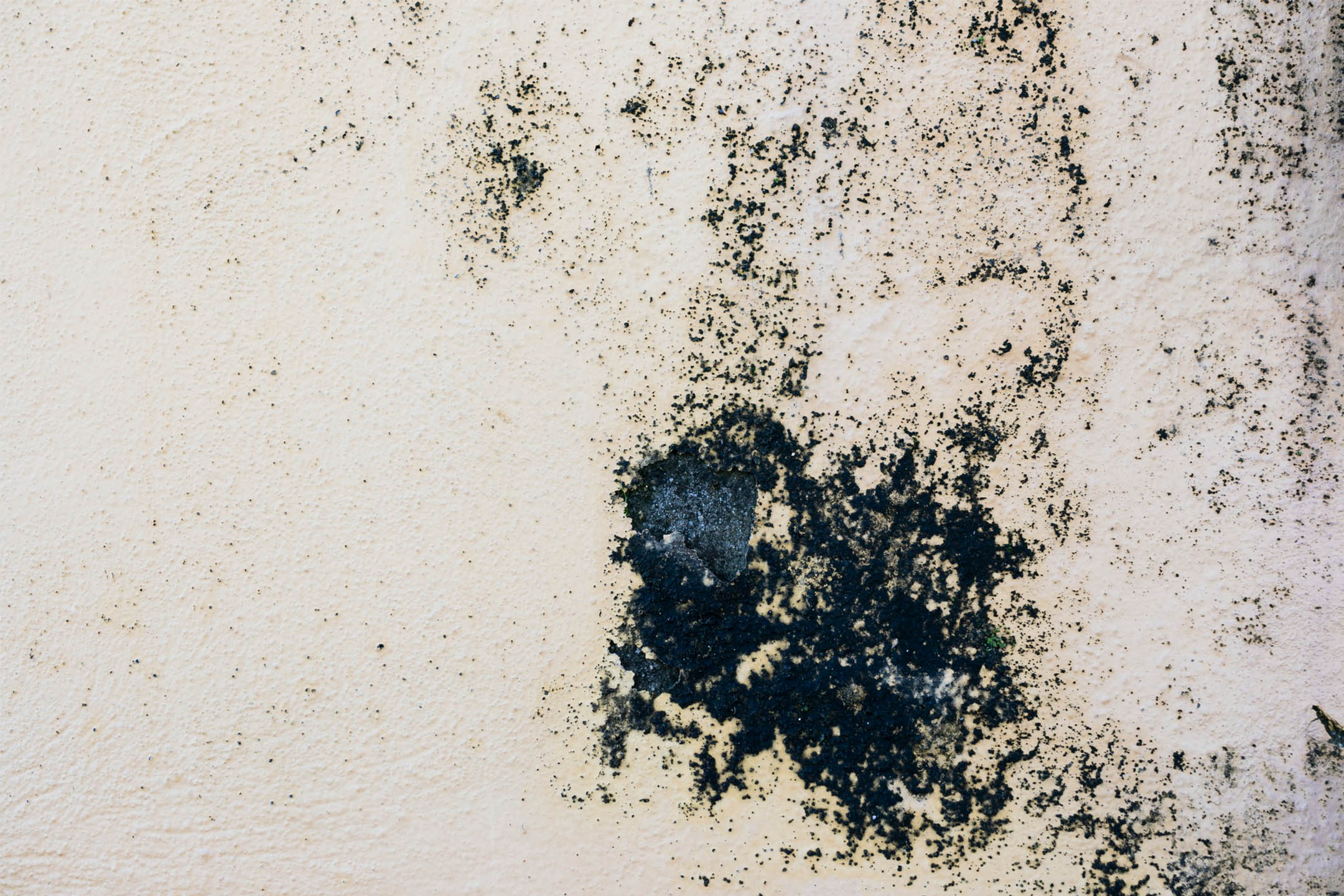
Mould remediation is not simply about improving appearance. It is about protecting health, safeguarding structural materials and preventing recurring contamination. When mould takes hold on timber, masonry or steel, it can compromise indoor air quality and weaken building components over time. Dry ice blasting mould remediation has become one of the most reliable solutions for removing mould at its source without spreading spores or introducing additional moisture into the structure.
Dry ice blasting for mould remediation is now widely adopted across commercial, industrial and heritage settings where conventional cleaning techniques create secondary problems. From warehouses and plant rooms to listed properties and public buildings, mould removal dry ice technology offers a precise and controlled way to restore surfaces while maintaining building integrity.
What Is Dry Ice Blasting for Mould Removal?
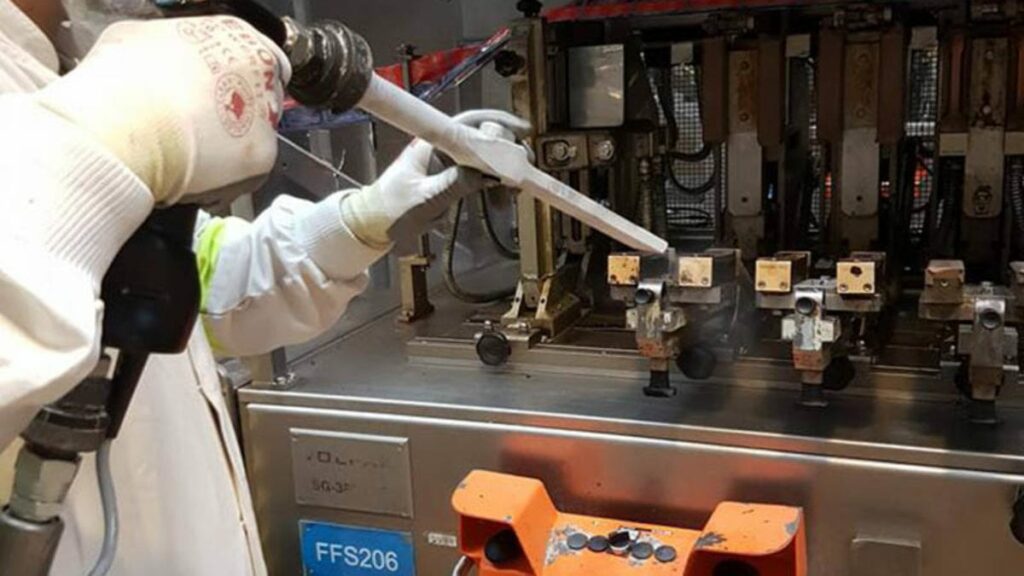
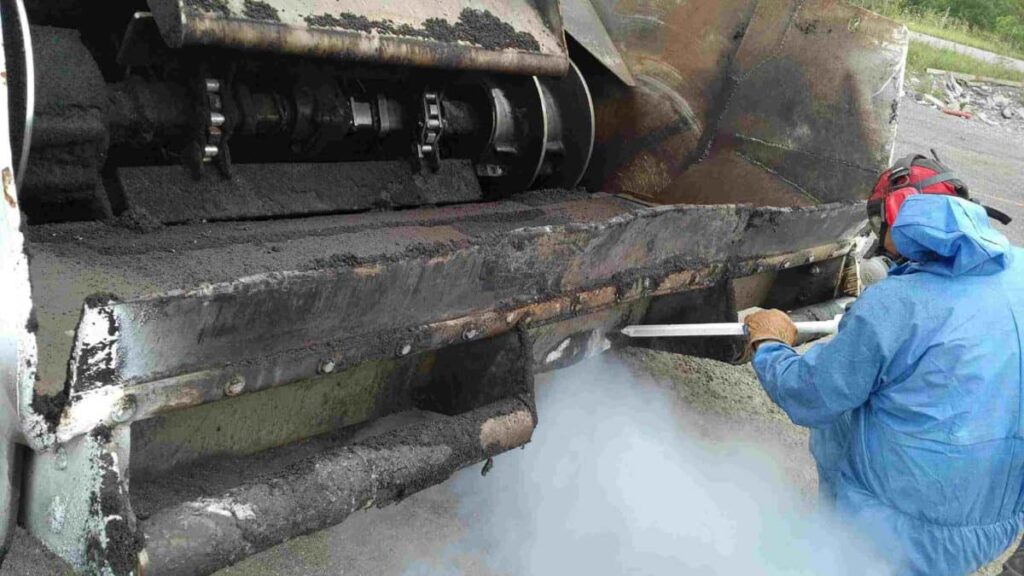
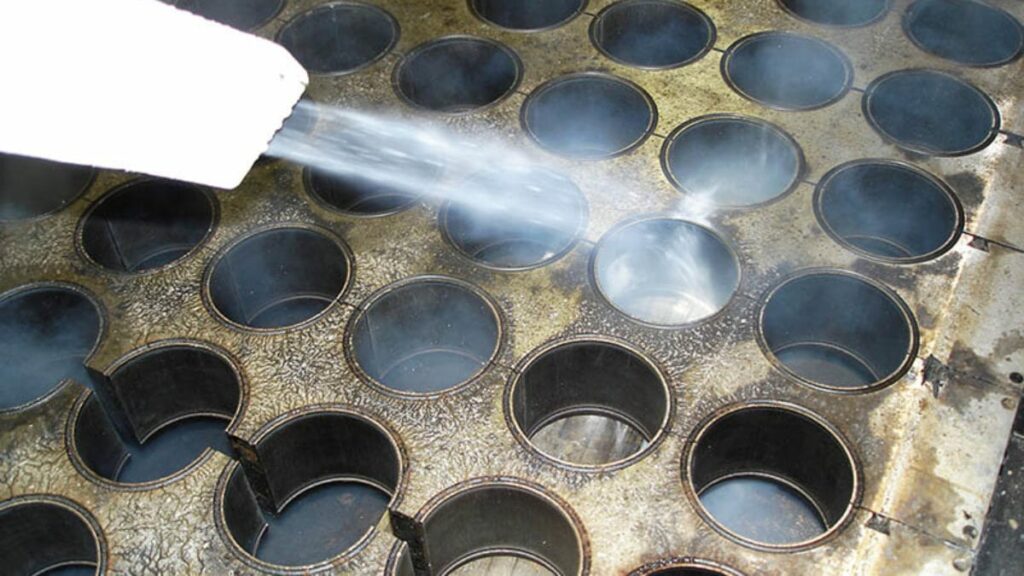
Dry ice blasting mould removal uses solid carbon dioxide pellets propelled at high velocity towards contaminated surfaces. Upon impact, the pellets immediately sublimate, meaning they transform from solid to gas without leaving liquid or residue behind. This rapid phase change lifts mould from the substrate without soaking, grinding or relying on harsh chemicals. There is no water involved in the process, which is critical because moisture is the primary factor that enables mould growth.
How Dry Ice Safely Removes Mould
- Dry ice pellets clean using three interacting forces rather than abrasion.
- The kinetic energy loosens mould from the surface.
- The extreme cold breaks the bond between mould and substrate.
- The rapid expansion removes contamination.
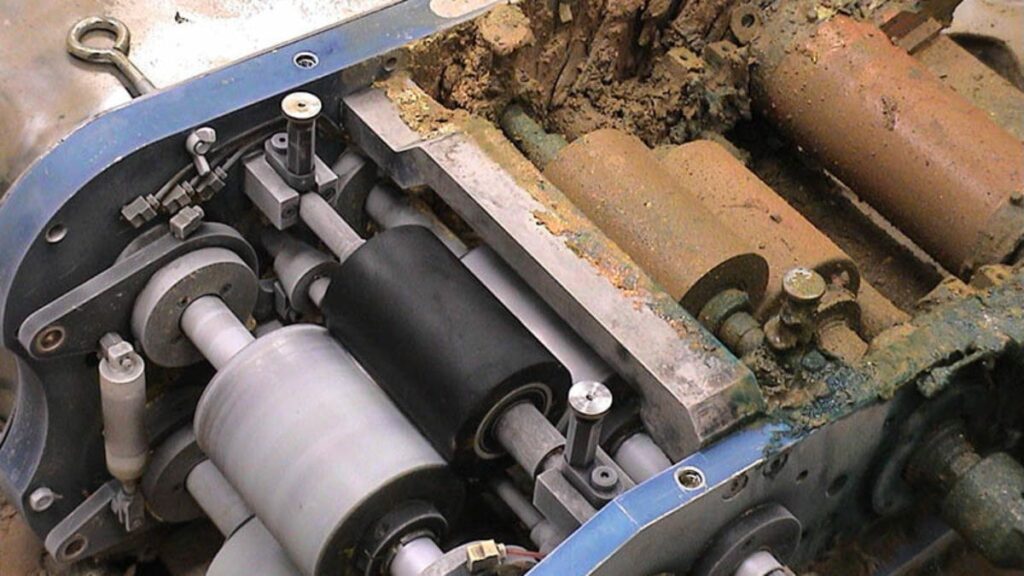
The result is mould removal down to the surface level rather than superficial wiping. By physically dislodging spores and growth from the material itself, dry ice blasting provides a far more thorough outcome than surface treatments alone.
Why Dry Ice Blasting Is Effective for Mould Remediation
Traditional mould removal often spreads spores into the air, drives moisture deeper into porous materials or leaves chemical residues behind. Dry ice avoids all three of these common issues, making it particularly suitable for commercial mould remediation projects.
No Added Moisture
Water based cleaning methods can unintentionally worsen mould problems by saturating materials and creating a damp environment for regrowth. Dry ice blasting is completely dry, which means it removes contamination without increasing humidity levels or extending drying times.
No Chemicals or Biocides
Dry ice consists solely of recycled carbon dioxide and leaves no residue once it sublimates. There are no cleaning agents, biocides or detergents left behind on surfaces. This makes the process ideal for food production areas, healthcare environments, schools and occupied commercial premises where chemical exposure is subject to strict control.
Minimal Surface Damage
Dry ice blasting is a form of non abrasive mould removal. The pellets are softer than sand or grit, and the cleaning force comes from thermal shock rather than surface erosion. This allows mould to be removed from timber, brick, concrete, steel and sensitive heritage materials without compromising their structure or finish.
Surfaces Suitable for Dry Ice Mould Removal
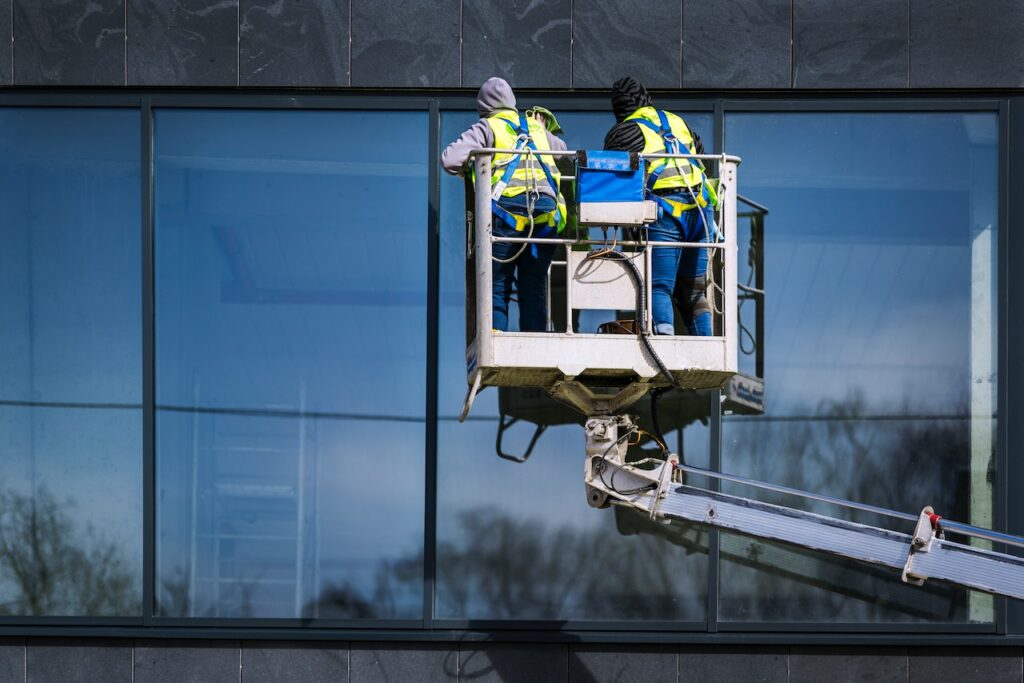
Dry ice blasting works effectively on hard and semi porous materials. It is particularly useful in areas where access is restricted, overhead cleaning is required or dismantling equipment would be costly and disruptive. Below are some of the most common applications:
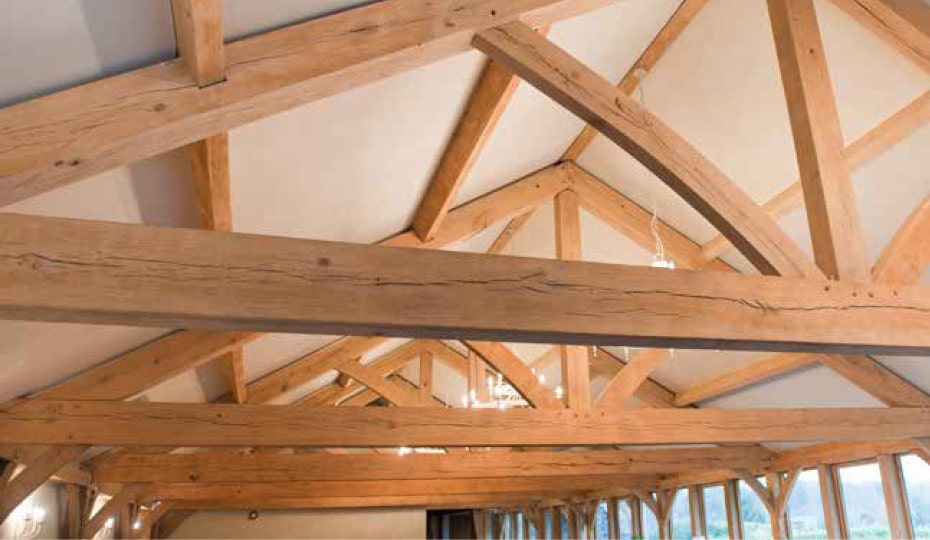
- Structural timber and roof voids
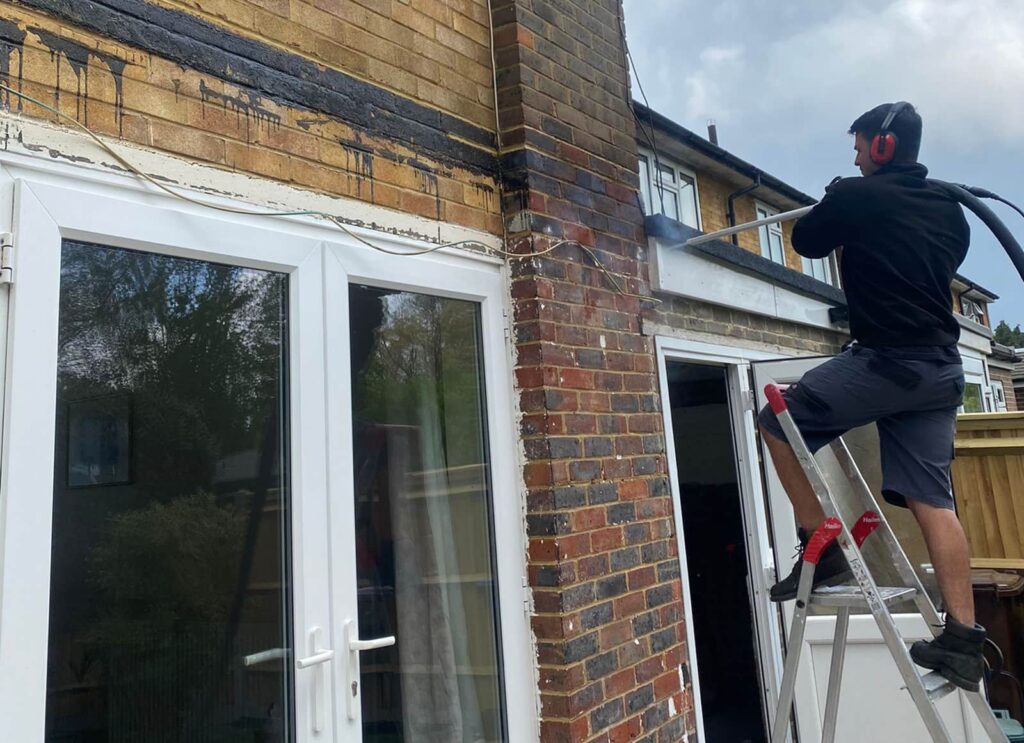
- Brickwork and masonry
- Concrete walls and floors
- Steel beams and plant rooms
- Basements and crawl spaces
- Ceilings and service risers
These environments often harbour hidden mould growth that cannot be fully addressed through manual methods alone. Dry ice blasting enables comprehensive treatment across complex structural areas.
Dry Ice Blasting vs Traditional Mould Removal Methods
Understanding how dry ice compares with conventional techniques helps building owners and facilities managers choose the most appropriate approach for their site.
Compared to Pressure Washing
Pressure washing introduces significant volumes of water into already affected areas. This can drive spores deeper into porous substrates and increase drying times. In contrast, dry ice removes mould without moisture or runoff, making it far better suited to internal environments and structural materials.
Compared to Chemical Treatments
Chemical treatments may kill mould on contact but often fail to remove the physical growth completely. Residue can remain on surfaces and chemicals may react unpredictably with certain materials. Dry ice blasting mould remediation physically removes contamination rather than masking it, leaving a clean surface without residual film.
Compared to Manual Scrubbing
Manual scrubbing is labour intensive and often spreads spores into the surrounding air. It can also be inconsistent across large areas. Dry ice blasting is faster, more uniform, and more contained when used alongside extraction systems.
Health and Safety Considerations
Dry ice blasting reduces airborne mould when combined with proper containment and extraction measures. Operators use appropriate personal protective equipment and controlled ventilation systems to maintain a safe working environment. This method is frequently chosen in settings where occupants may have respiratory sensitivities or where business operations must continue during remediation.
When Dry Ice Blasting Is the Right Choice
While dry ice blasting is highly effective, certain situations make it particularly advantageous.
Severe or Widespread Mould
For large infestations covering extensive wall areas, roof structures or plant rooms, dry ice offers consistent coverage and efficiency. Manual techniques would be time consuming and difficult to standardise, whereas dry ice blasting mould removal delivers uniform results across broad surfaces.
Sensitive or High Value Buildings
Heritage properties, listed buildings, data centres and critical infrastructure require careful handling. The non-invasive nature of dry ice blasting ensures mould can be removed without damaging original materials or disrupting sensitive systems.
Time Critical Projects
Because the process introduces no water, there is no extended drying period required. Areas can often be reoccupied shortly after cleaning, which is especially valuable in commercial or public buildings where downtime carries significant cost.
Limitations to Be Aware Of
Dry ice blasting removes mould effectively but does not address the underlying moisture source. Leaks, condensation problems, insulation failures or inadequate ventilation must be identified and corrected to prevent recurrence. Without resolving these issues, mould may return regardless of the cleaning method used. It is also important to note that very soft or friable materials require careful testing before treatment to ensure suitability.
A Long Term Solution for Safer, Healthier Buildings
Dry ice blasting mould remediation offers a powerful yet controlled approach to removing contamination from structural surfaces. It delivers mould removal dry ice technology without water, chemicals or abrasive impact, making it suitable for commercial, industrial and sensitive environments alike. When paired with proper moisture management and building maintenance, it provides lasting protection rather than temporary cosmetic improvement.