
Mould within a property is often dismissed as a cosmetic nuisance. In reality, the health implications of mould exposure can be significant, particularly where contamination is persistent or widespread. Damp conditions allow mould to grow on walls, ceilings, timber and soft furnishings. Once established, mould produces microscopic spores that become airborne and circulate through indoor spaces.
Understanding the risks associated with mould exposure is essential for homeowners, landlords and facilities managers. Find out how mould affects health, who is most vulnerable and what practical steps should be taken when contamination is identified.
Why Mould Is a Health Hazard, Not Just an Aesthetic Problem
Mould thrives in damp environments. Properties with poor ventilation, cold walls or historic fabric are particularly vulnerable. Bathrooms, kitchens, basements and poorly insulated external walls are common locations for growth.
When mould develops, it releases spores into the air. These spores are airborne and invisible to the naked eye. Visible patches are often the tip of the iceberg. Contamination may extend behind plasterboard, within insulation or inside timber structures.
Certain mould species also produce mycotoxins. Black mould, commonly identified as Stachybotrys, is frequently highlighted in recognised NHS guidance as a variety associated with more serious black mould health risks where exposure is prolonged and unmanaged.
For those asking is mould dangerous, the answer depends on duration, concentration and individual vulnerability. However, recognised health guidance confirms that persistent damp and mould can negatively affect wellbeing.
Common Health Symptoms Linked to Mould Exposure
The mould exposure symptoms experienced vary depending on the individual, the duration of exposure and the concentration of airborne spores. Recognised health guidance identifies several common responses.
Respiratory Issues
Mould spores are inhaled easily. This can lead to coughing, wheezing and shortness of breath. Individuals with asthma may experience aggravated symptoms in damp environments.
Respiratory irritation is one of the most widely reported effects of mould on health. If symptoms improve when leaving the property and worsen indoors, mould exposure may be contributing.
Allergic Reactions
Allergic responses to mould spores may include sneezing, nasal congestion, red eyes and skin irritation. These reactions are often more noticeable in rooms where visible mould is present.
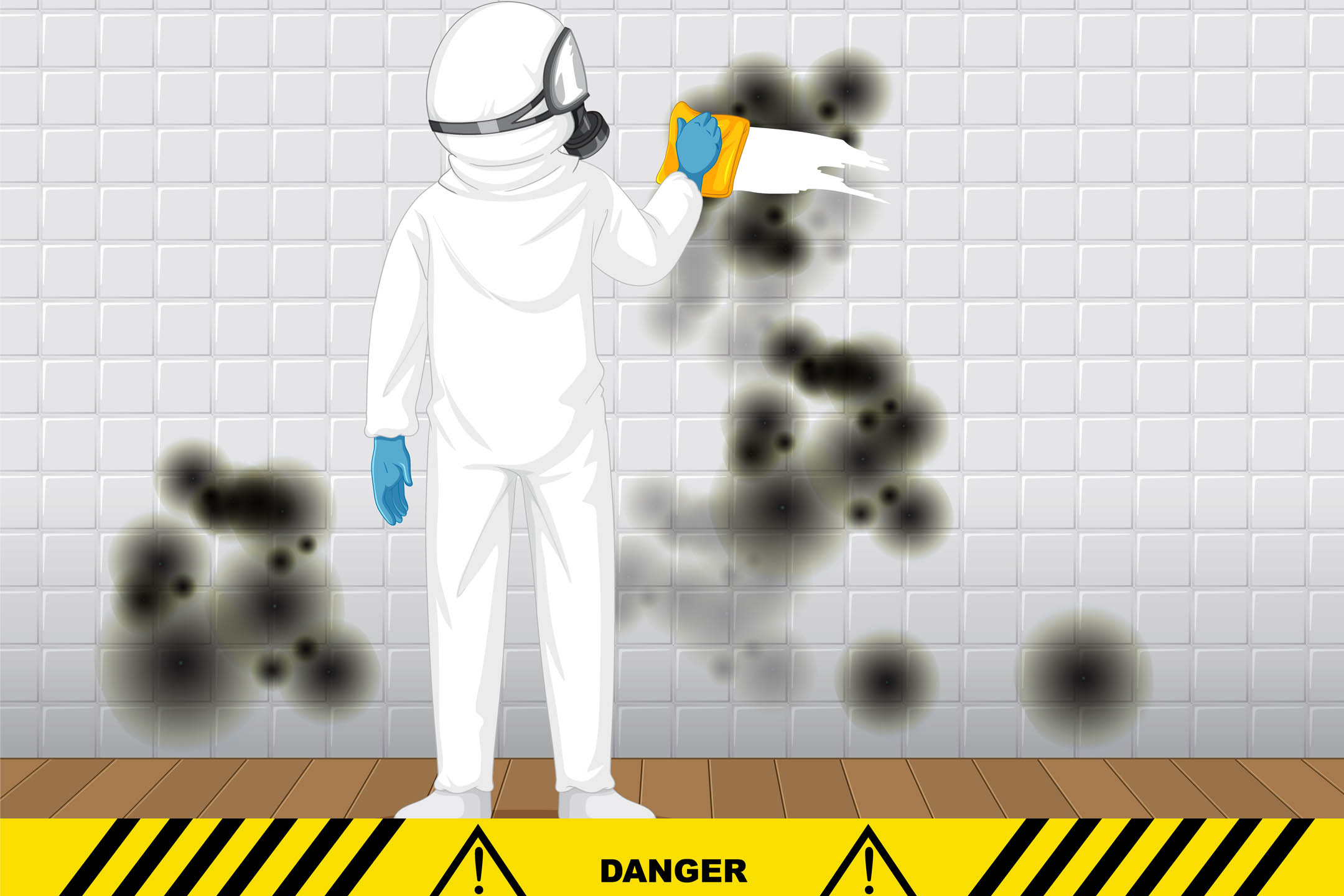
Where surface cleaning has been attempted without containment, spores may be disturbed and redistributed through the air.
Skin, Eye and General Symptoms
Direct contact with mould contaminated surfaces can lead to irritation. Some individuals also report headaches and fatigue in damp environments. While severity varies, living with persistent mould is not considered a healthy indoor condition.
If you are questioning whether mould is dangerous, recognised guidance confirms that damp and mould can affect wellbeing, particularly with ongoing exposure.
Groups Most at Risk From Mould Exposure
Although mould can affect anyone, certain groups are more vulnerable to the health implications of mould exposure.
Children and Infants
Children breathe more rapidly and spend significant time indoors. Their developing respiratory systems may be more sensitive to airborne contaminants.
Elderly Individuals
Older adults may have reduced immune response or existing respiratory conditions that increase susceptibility.
People With Asthma or Allergies
Asthma sufferers and those with allergic conditions are at heightened risk of experiencing mould exposure symptoms in damp buildings.
Immunocompromised Individuals
Individuals with weakened immune systems may experience more severe responses to airborne mould spores.
In properties where vulnerable occupants are present, early intervention is particularly important.
Surface Mould vs Deep Infestation
A common misconception is that mould is limited to what can be seen on a wall or ceiling. In practice, visible staining often indicates a broader moisture issue.
Because mould spores are airborne, they can travel through ventilation systems and settle in other areas. Porous materials such as plasterboard, timber and insulation can harbour contamination beneath the surface.
Surface wiping may improve appearance temporarily, but without addressing moisture imbalance and embedded growth, mould frequently returns. Professional mould cleaning uses controlled methods designed to remove contamination without spreading spores.
Where growth is extensive or recurring, structured mould remediation may be required to identify moisture sources and prevent further spread.
How to Tell if Mould Is Affecting Your Health
Recognising whether mould is contributing to health concerns involves assessing both environmental indicators and physical symptoms.
Signs Within the Property
Persistent condensation, musty odours, peeling paint and damp patches all suggest conditions that support mould growth. Properties with poor airflow or cold external walls are particularly susceptible.
Physical Symptoms That Fluctuate Indoors
If coughing, sneezing or irritation becomes more pronounced indoors and improves when away from the property, mould exposure may be a contributing factor.
Understanding the health implications of mould exposure allows property owners to act promptly before conditions worsen.
What to Do if You Suspect Mould in Your Property
Initial steps can help reduce ongoing moisture:
- Improve ventilation where possible
- Use extractor fans consistently
- Address leaks or obvious sources of damp
However, once mould is established, professional intervention is often necessary to prevent recurrence.
If you are unsure whether DIY treatment is sufficient, our guide explaining why you should use a professional mould removal service outlines the limitations of surface cleaning and the benefits of structured assessment.
Professional removal addresses the root cause, not just the surface symptoms. Identifying condensation patterns, insulation issues or structural damp is essential to long term resolution.
After treatment, preventative action is equally important. Practical guidance is available in our article on long term prevention of mould growth to reduce the likelihood of recurrence.
Arrange a Professional Assessment
If you are concerned about the health implications of mould exposure in your property, early assessment reduces risk and prevents further contamination.
Contact Polar Dry Ice Cleaning to arrange a structured evaluation and discuss appropriate mould remediation designed to resolve both contamination and its underlying cause.
