Factory cleaning demands a method capable of removing ingrained industrial contamination while protecting machinery, infrastructure and production continuity. Dry ice blasting provides a controlled cleaning process suited to active manufacturing environments where downtime, moisture and surface damage present operational risk.
This approach supports routine maintenance and targeted deep cleaning for factory facilities across multiple industrial sectors.
Contamination in Industrial Facilities
Production environments generate layered contamination over time. Depending on the process, this may include:
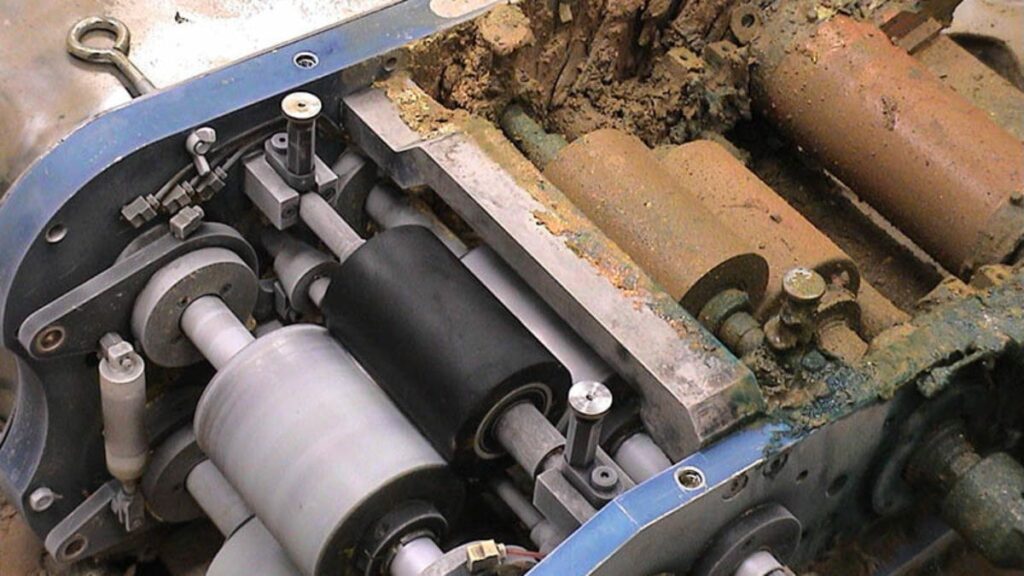
- Oil and lubricant residue on machinery
- Carbon deposits on heated equipment
- Dust and particulate accumulation on structural steel
- Product overspray or adhesive residue on surfaces
When left untreated, buildup can reduce cooling efficiency and affect mechanical performance. In hygiene-sensitive settings it can also increase compliance pressure during inspections.
Conventional cleaning a factory often involves chemical degreasers, water washing or abrasive media. These methods may require dismantling, extended drying periods or containment of secondary waste streams. In facilities with electrical infrastructure, introducing moisture can create additional complications.
A Precision Method for Cleaning for Factory Operations
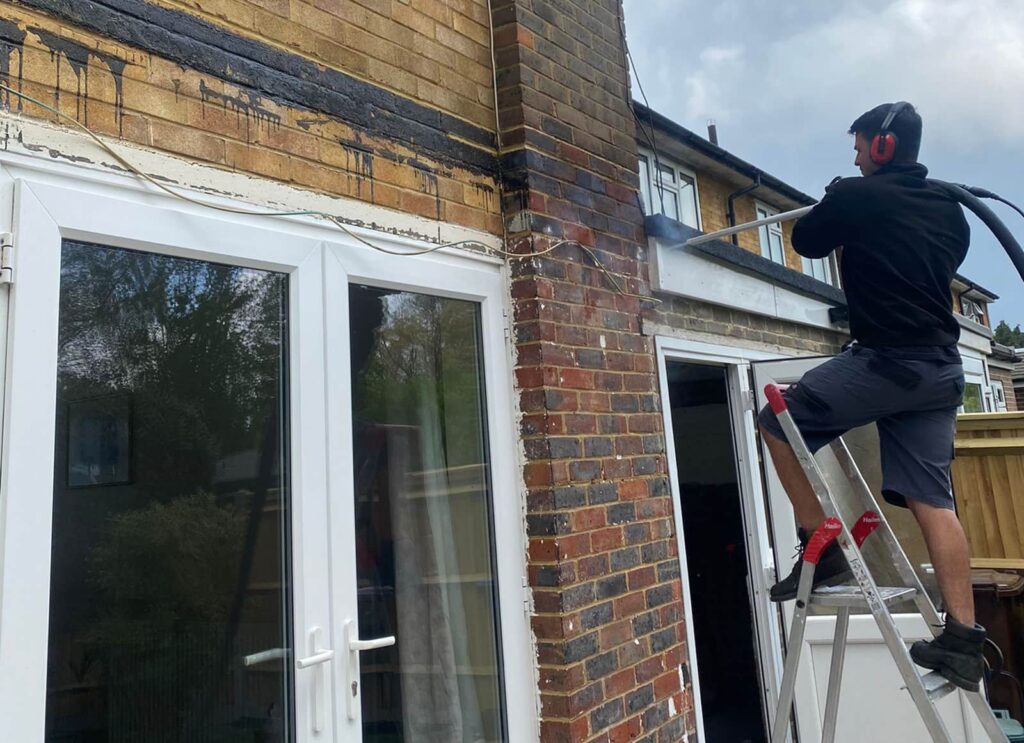
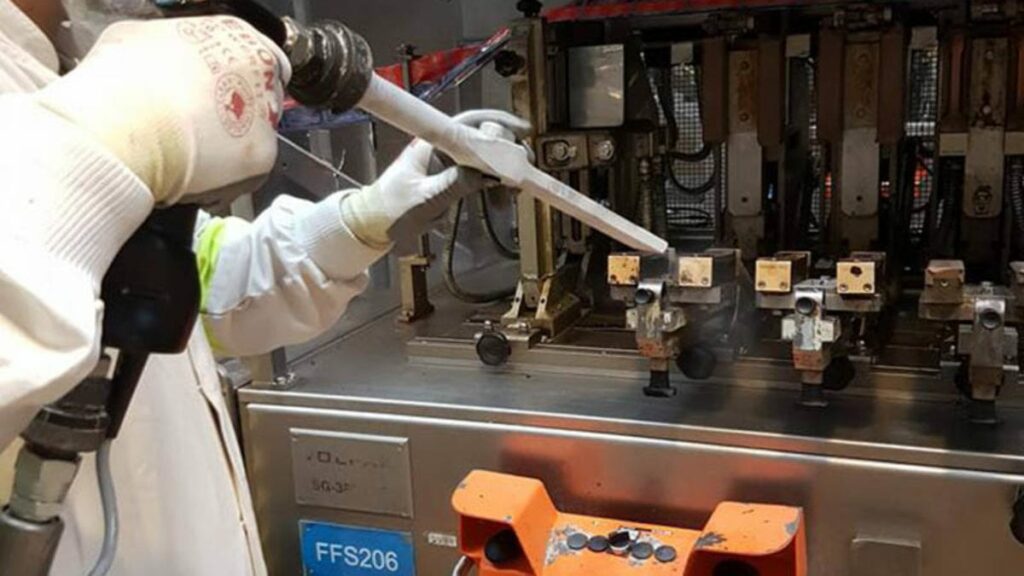
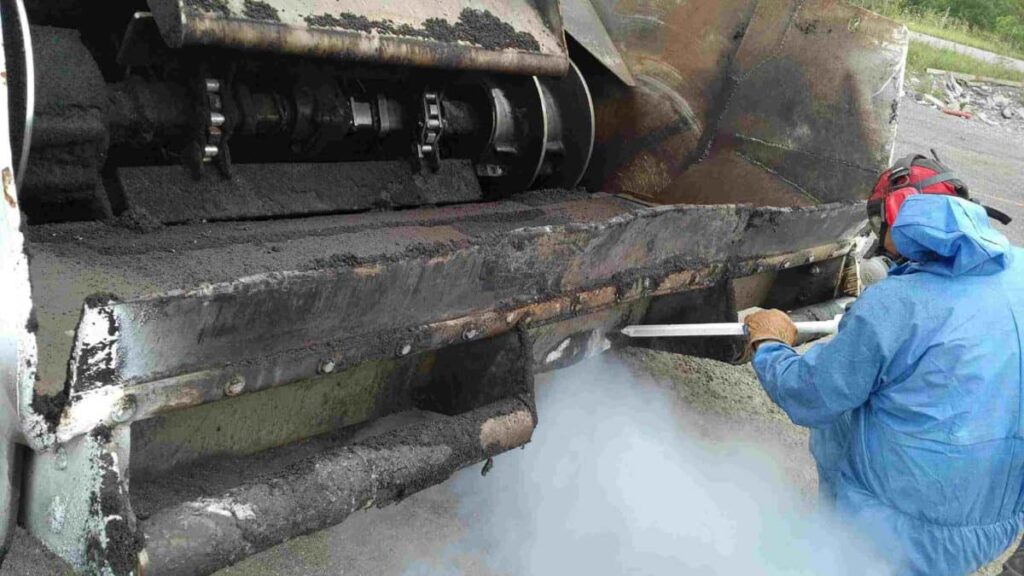
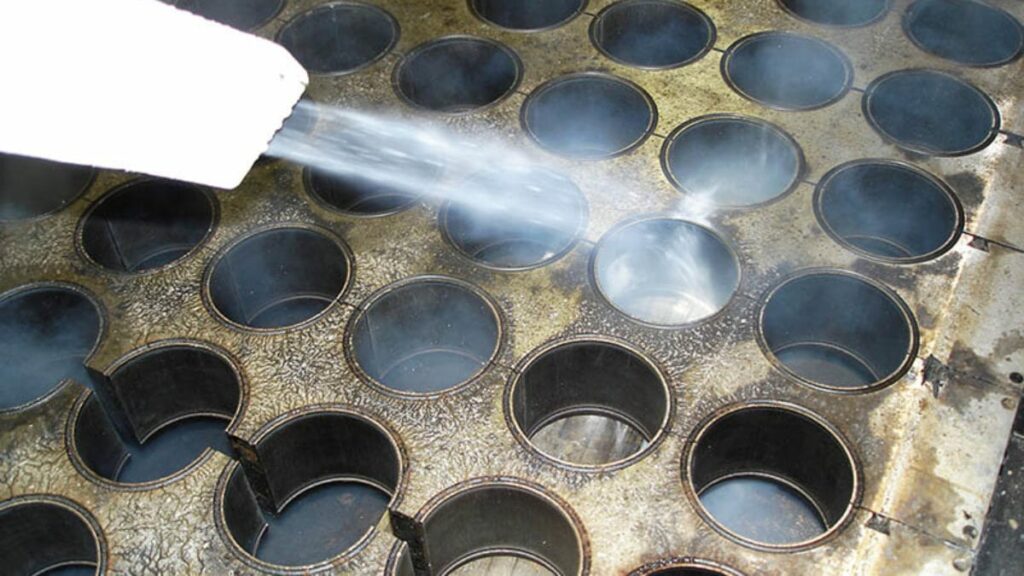
Dry ice blasting cleans through a combination of impact energy and rapid temperature change at the point of contact. Solid carbon dioxide particles are projected at the contaminated surface, where they penetrate surface buildup and break the bond between contamination and substrate.
As the particles convert directly into gas upon contact, there is no residual blast media to collect. Only the removed contaminant remains for disposal.
This provides practical advantages for factory cleaning:
- No water introduced into machinery
- No chemical residue left on surfaces
- No abrasive erosion of substrates
- Reduced post-clean containment
Because the process does not rely on harsh abrasives, underlying coatings, machined surfaces and tolerances can be preserved when correctly controlled.
Deep Cleaning for Factory Machinery and Infrastructure
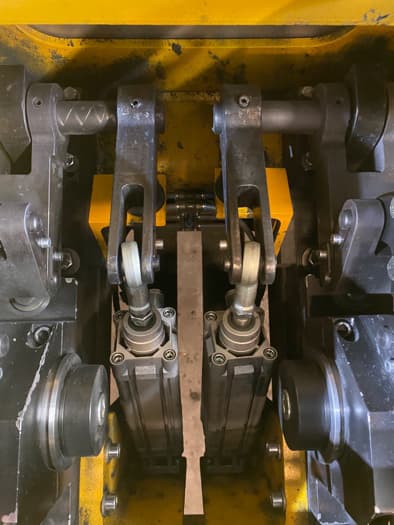
Manufacturing sites frequently contain complex assemblies, drive systems and control panels. A cleaning method must be adaptable to varied geometries and sensitive components.
Dry ice blasting is suitable for:
- Production line equipment
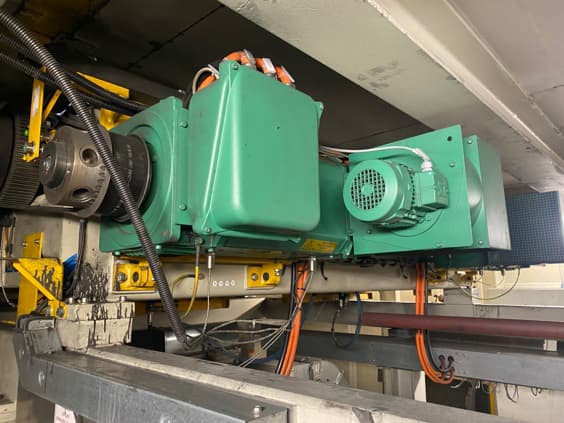
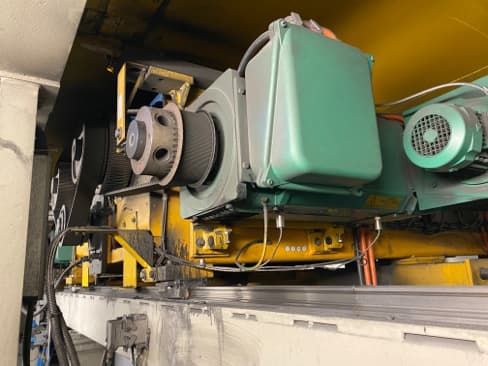
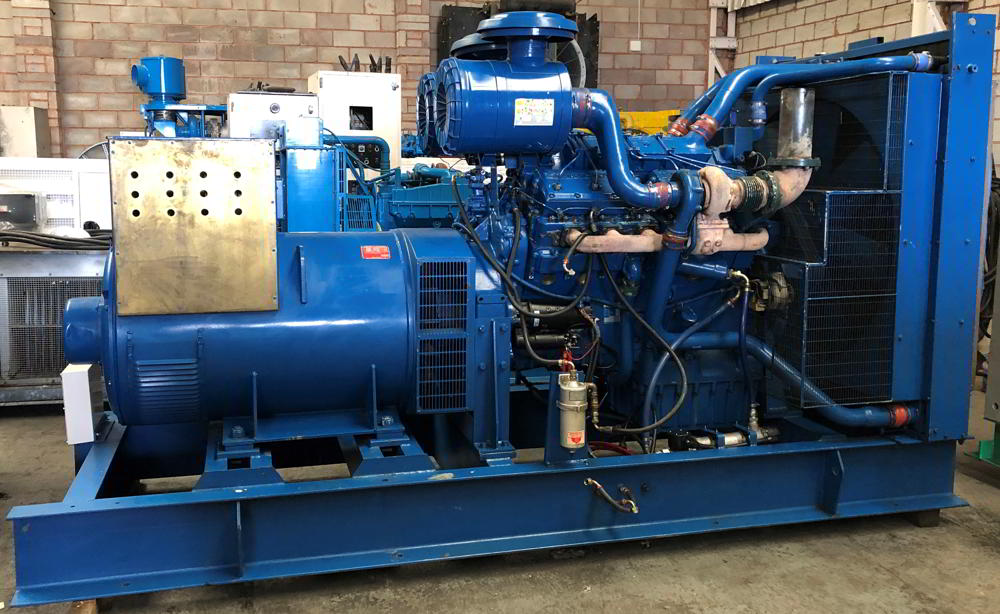
- Motors and housings
- Structural frameworks
- Ancillary plant and fixed installations
The process is dry and non-conductive when properly managed, allowing cleaning around many electrical components subject to site-specific risk assessment and isolation procedures.
Each project is reviewed individually to determine access, sequencing and any required shutdown planning.
Operational Outcomes
Deep cleaning for factory environments contributes directly to asset protection and reliability. Removal of heavy deposits can:
- Improve heat transfer and ventilation
- Support preventative maintenance inspections
- Reduce premature component wear
- Improve general housekeeping standards
Preparation time is typically lower than with water or grit-based systems because masking, drying and media recovery requirements are reduced. This supports efficient turnaround during maintenance windows.
Mobile equipment enables on-site delivery without transporting fixed plant off premises.
Unplanned cleaning and avoidable machinery downtime can also increase maintenance expenditure and affect production costs. Read more about how dirty machinery costs more for your business.
Health, Safety and Environmental Considerations
Factory cleaning must align with UK health and safety standards. Work is undertaken using documented risk assessments, method statements and appropriate personal protective equipment.
The cleaning medium is reclaimed carbon dioxide and the process does not create additional blasting waste. As no water or solvent is introduced, secondary contamination risks are minimised.
Ventilation and containment controls are implemented in line with site requirements to maintain safe operating conditions throughout the project.
Industrial Sector Application
Cleaning for factory operations is relevant across sectors where equipment performance and compliance standards are critical, including:
- Manufacturing
- Food production
- Engineering
- Aerospace
- Energy
These industries require cleaning methods that protect assets while limiting disruption to output.